Sperm Health and Genes: What Nutrigenomics Can Tell You About Male Fertility
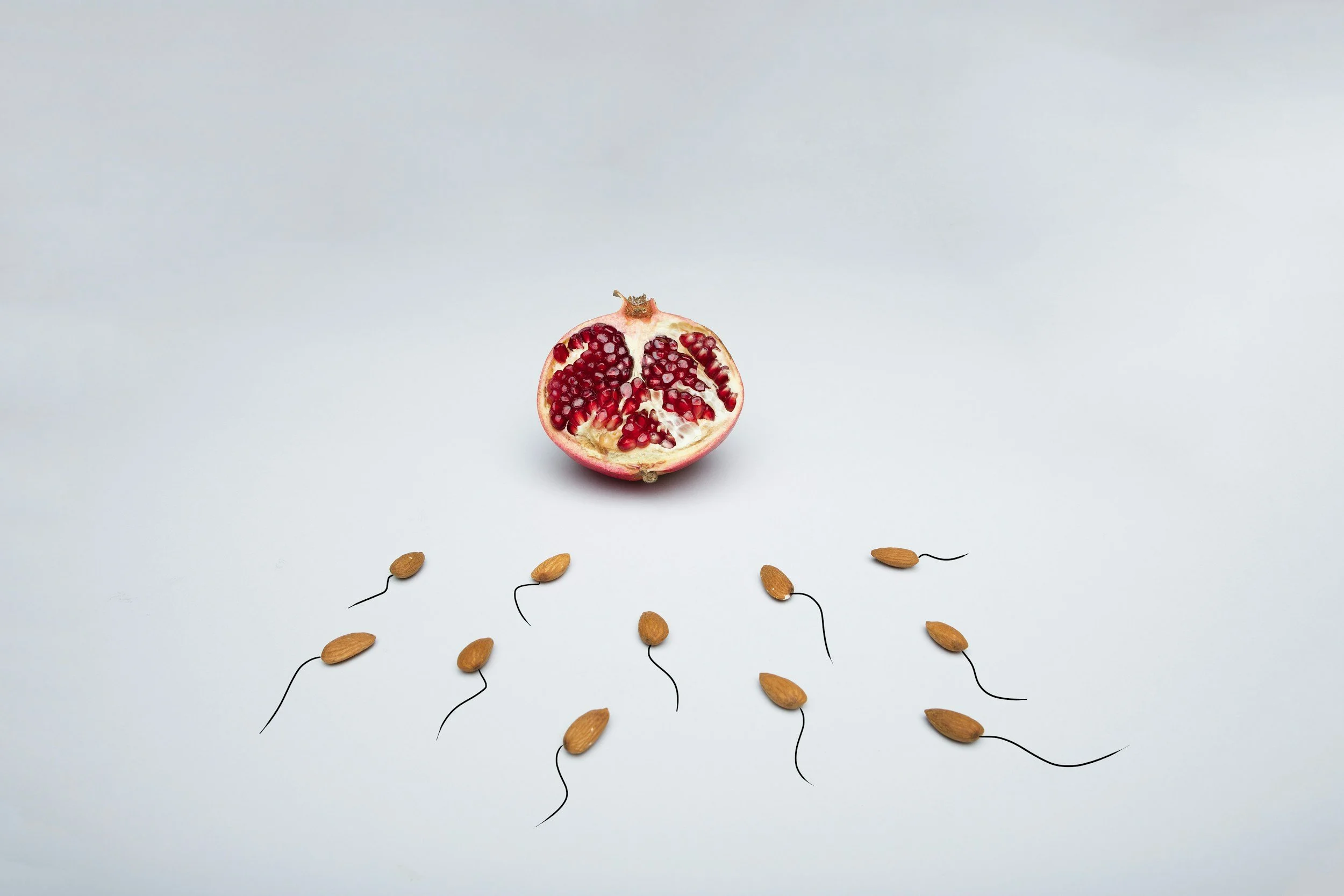
You have done the semen analysis. Maybe the results came back "within normal range", or maybe there were some flags, such as morphology, motility, or DNA fragmentation, but no one explained what was actually driving them. If you are sitting with that uncertainty, wondering whether there is more to investigate, there usually is.
Most standard fertility workups do not look at the genetic layer underneath sperm quality. Not chromosomal conditions or inherited disease, but something more subtle than that. The way a man's genes interact with nutrients, manage oxidative stress, and support DNA synthesis can have a significant bearing on sperm health, and it is rarely part of the conversation.
This is where nutrigenomics comes in. It offers a way of looking at how common genetic variants and nutrition intersect to influence sperm quality, rather than relying only on what shows up in a standard semen analysis.
Rather than applying a one-size-fits-all supplement approach, a nutrigenomic lens asks which pathways actually need support for that individual, and which forms and doses of nutrients are likely to be most appropriate.
What Nutrigenomics Actually Means
DNA does not just determine eye colour or disease risk. It also contains variants known as single nucleotide polymorphisms, or SNPs, that affect how the body processes specific nutrients, clears toxins, manages inflammation, and produces antioxidants.
Having a particular variant does not mean something is broken. It means there is a specific biological pathway that may require more attention, more nutritional support, or a different approach than someone without that variant. Two men with similar semen analysis results can have very different underlying drivers of their sperm quality issues, and their nutrigenomic profile is often part of the explanation.
Some Key Genes That May Affect Sperm Health
MTHFR The methylation gene most people have heard of. In men, MTHFR variants affect folate metabolism and homocysteine levels. Elevated homocysteine is associated with increased sperm DNA fragmentation and reduced sperm motility. The form of folate used in support matters here, with folinic acid or 5-MTHF often preferred in men with relevant variants.
SOD2 Superoxide dismutase 2. This gene encodes a key mitochondrial antioxidant enzyme. Variants in SOD2 may reduce the ability to neutralise free radicals inside the mitochondria, which can contribute to higher oxidative stress in sperm and increased DNA damage.
GPX (glutathione peroxidase) Glutathione is one of the body's most powerful antioxidants. GPX variants can alter glutathione activity, which may leave sperm more vulnerable to oxidative damage, particularly when selenium status is low. Selenium is a critical cofactor, which is why selenium status is so clinically relevant in men with oxidative stress driven sperm issues.
COMT Catechol O-methyltransferase. Involved in clearing oestrogen metabolites. COMT variants can influence how oestrogen metabolites are cleared, which may affect sex hormone balance and, indirectly, sperm production in some men.
TCN2 Transcobalamin 2. Affects B12 transport into cells. B12 is essential for sperm DNA synthesis and is a key cofactor in the methylation cycle. TCN2 variants can mean that even with adequate dietary B12 intake, cellular availability is reduced.
NOS3 Endothelial nitric oxide synthase. Nitric oxide plays a role in sperm motility and capacitation. NOS3 variants can affect sperm function in ways that will not show up on a standard semen analysis.

MTHFR and Male Fertility: More Than Just a Female Concern
MTHFR tends to be discussed almost exclusively in the context of female fertility and pregnancy. However, MTHFR variants are equally relevant for the male partner, and they are frequently overlooked in male fertility investigation.
The MTHFR enzyme is responsible for converting folate into its active form, 5-methyltetrahydrofolate, or 5-MTHF. This active folate is essential for the methylation cycle, which among many other functions is directly involved in sperm DNA synthesis and repair. When this conversion is impaired, homocysteine can accumulate, and elevated homocysteine is associated with oxidative damage to sperm DNA, reduced motility, and, in some studies, poorer embryo quality after fertilisation.
The form of folate used in any supplement protocol matters significantly here. Synthetic folate (folic acid), found in many standard supplements, requires conversion by the very enzyme that may not be working optimally. Active forms such as folinic acid or 5-MTHF bypass this step and are generally better suited to men with relevant variants.
Research suggests that men with elevated homocysteine, often influenced by MTHFR variants and folate or B12 status, can show higher rates of sperm DNA fragmentation. In some cases, optimising folate and related nutrients may improve these markers. This can be a modifiable driver when it is identified early and addressed with appropriate nutritional and medical support.
Half of the fertility equation involves him.
Oxidative Stress Genes and Why They Matter for Sperm
Sperm are uniquely vulnerable to oxidative damage. They carry a small cytoplasm with limited room for antioxidant enzymes, and a long tail that is rich in polyunsaturated fatty acids that oxidise easily. This makes the body's overall antioxidant capacity especially important for sperm health.
When genes such as SOD2 and GPX are functioning suboptimally, the ability to manage oxidative stress in the reproductive system may be reduced. This does not mean damage is inevitable, but it does mean the threshold for what tips the balance is lower, and that targeted antioxidant support becomes not just helpful but genuinely necessary for some men.
Research suggests that nutrients including CoQ10, vitamin E, selenium, zinc, vitamin C, and N-acetyl cysteine can support antioxidant defences relevant to sperm health in some men. Without knowing the genetic picture, supplementation is largely guesswork. With that information, the approach becomes more targeted and may be more likely to produce a meaningful change in sperm quality markers over time.
Without knowing the genetic picture, supplementation is largely guesswork. With that information, the approach becomes targeted.
How This Changes the Clinical Approach
Nutrigenomic testing for male fertility typically involves a saliva or blood sample that analyses a panel of relevant single nucleotide polymorphisms, or SNPs. The results can help identify which pathways need the most support, which forms of key nutrients are most appropriate, and what dosages are clinically indicated for that individual.
It shifts the conversation from "here is a standard sperm health formula" to "here are the likely contributors to your sperm DNA fragmentation or other changes, and here is a plan that targets those pathways". That kind of precision can make a real difference to how supported people feel and, in some cases, to sperm quality markers over time.
While at-home testing and supplements are widely marketed, interpreting genetic and sperm testing meaningfully does require a qualified practitioner who understands both the research and the clinical context. Working with someone who can integrate genetics, semen analysis, medical history, and lifestyle means you are not left trying to join the dots on your own.
Is This Relevant for Your Partner?
Nutrigenomic testing is not necessary for every couple. It is particularly worth considering when:
Sperm DNA fragmentation is elevated
Oxidative stress is suspected as a driver
Standard sperm health supplementation has not shifted results in a meaningful way
There is a history of recurrent pregnancy loss or failed IVF cycles
The male partner has a known MTHFR variant
If it is not clear whether this applies in your situation, this is exactly the kind of question a fertility consultation is designed to answer. The aim is always to make sure the investigation is thorough enough to find the actual drivers, rather than treating everyone the same way and hoping something works.
Next Steps
Half of the fertility equation involves him, and that half deserves the same level of investigation.
If this article resonates and you would like more evidence-based conversation about fertility, nutrigenomics, and sperm health, you are welcome to follow along on Instagram for ongoing education and resources, or visit TheSeedCode.com.au to explore fertility support options and ways to work with a qualified practitioner.
The information in this article is for educational purposes only and does not constitute medical advice or replace personalised clinical care. Every person's health picture is unique, and what is appropriate for one individual may not be appropriate for another. If you are navigating fertility challenges, pregnancy loss, or any other health concern, please seek guidance from a qualified health practitioner who can assess your individual circumstances. For individualised assessment and treatment, please consult a qualified health practitioner.
References
Aarabi, M., Christensen, K. E., Chan, D., Leclerc, D., Landry, M., Ly, L., Rozen, R., & Trasler, J. (2018). Testicular MTHFR deficiency may explain sperm DNA hypomethylation associated with high dose folic acid supplementation. Human Molecular Genetics, 27(7), 1123–1135. https://doi.org/10.1093/hmg/ddy021
Agarwal, A., Virk, G., Ong, C., & du Plessis, S. S. (2014). Effect of oxidative stress on male reproduction. The World Journal of Men's Health, 32(1), 1–17. https://doi.org/10.5534/wjmh.2014.32.1.1
Banihani, S. A. (2017). Vitamin B12 and semen quality. Biomolecules, 7(2), 42. https://doi.org/10.3390/biom7020042
Fallah, F., Colagar, A. H., Saleh, H. A., & Ranjbar, M. (2023). Variation of the genes encoding antioxidant enzymes SOD2 (rs4880), GPX1 (rs1050450), and CAT (rs1001179) and susceptibility to male infertility: A genetic association study and in silico analysis. Environmental Science and Pollution Research, 30, 86412–86424. https://doi.org/10.1007/s11356-023-28474-0
Katz, D. J., O'Donnell, L., McLachlan, R. I., Moss, T. J., Boothroyd, C. V., Jayadev, V., & Catford, S. R. (2025). The first Australian evidence-based guidelines on male infertility. Medical Journal of Australia, 223(11), 653–663. https://doi.org/10.5694/mja2.70080
Li, F., Qi, J. J., Li, L. X., & Yan, T. F. (2024). MTHFR C677T, MTHFR A1298C, MTRR A66G and MTR A2756G polymorphisms and male infertility risk: A systematic review and meta-analysis. Reproductive Biology and Endocrinology, 22, 133. https://doi.org/10.1186/s12958-024-01306-7
Oussalah, A., Levy, J., Filhine-Trésarrieu, P., Namour, F., & Guéant, J. L. (2017). Association of TCN2 rs1801198 c.776G>C polymorphism with markers of one-carbon metabolism and related diseases: A systematic review and meta-analysis of genetic association studies. American Journal of Clinical Nutrition, 106(4), 1142–1156. https://doi.org/10.3945/ajcn.117.156349
Sharma, R. K., Said, T., & Agarwal, A. (2004). Sperm DNA damage and its clinical relevance in assessing reproductive outcome. Asian Journal of Andrology, 6(2), 139–148.
Smits, R. M., Mackenzie-Proctor, R., Yazdani, A., Stankiewicz, M. T., Jordan, V., & Showell, M. G. (2019). Antioxidants for male subfertility. Cochrane Database of Systematic Reviews, 2019(3), CD007411. https://doi.org/10.1002/14651858.CD007411.pub4
Wang, Y., Fu, X., & Li, H. (2025). Mechanisms of oxidative stress-induced sperm dysfunction. Frontiers in Endocrinology, 16, 1520835. https://doi.org/10.3389/fendo.2025.1520835
Note for clinical readers: this article focuses on common SNPs in pathways such as methylation, antioxidant defence, and hormone metabolism, rather than rare monogenic disorders.